Ten wild acres on the edge of the Atlantic.

A smallholding outside Sneem, Co. Kerry. Come and walk the land with the people who live on it, or read the rocks of Sneem with a geologist.

See the walks

Boolananave, at the foot of Knocknagullion

Fiáin — wild

We grow our own food, keep bees and rescue hens, plant native trees and run the house on the sun. This isn't a demonstration farm. It's our home, and we open it to people who want to see sustainable living.

Walks & Workshops

Led by the people who live here: a habitat walk across our land, a geology walk through Sneem, and hands-on workshops. Small groups, in most weather.

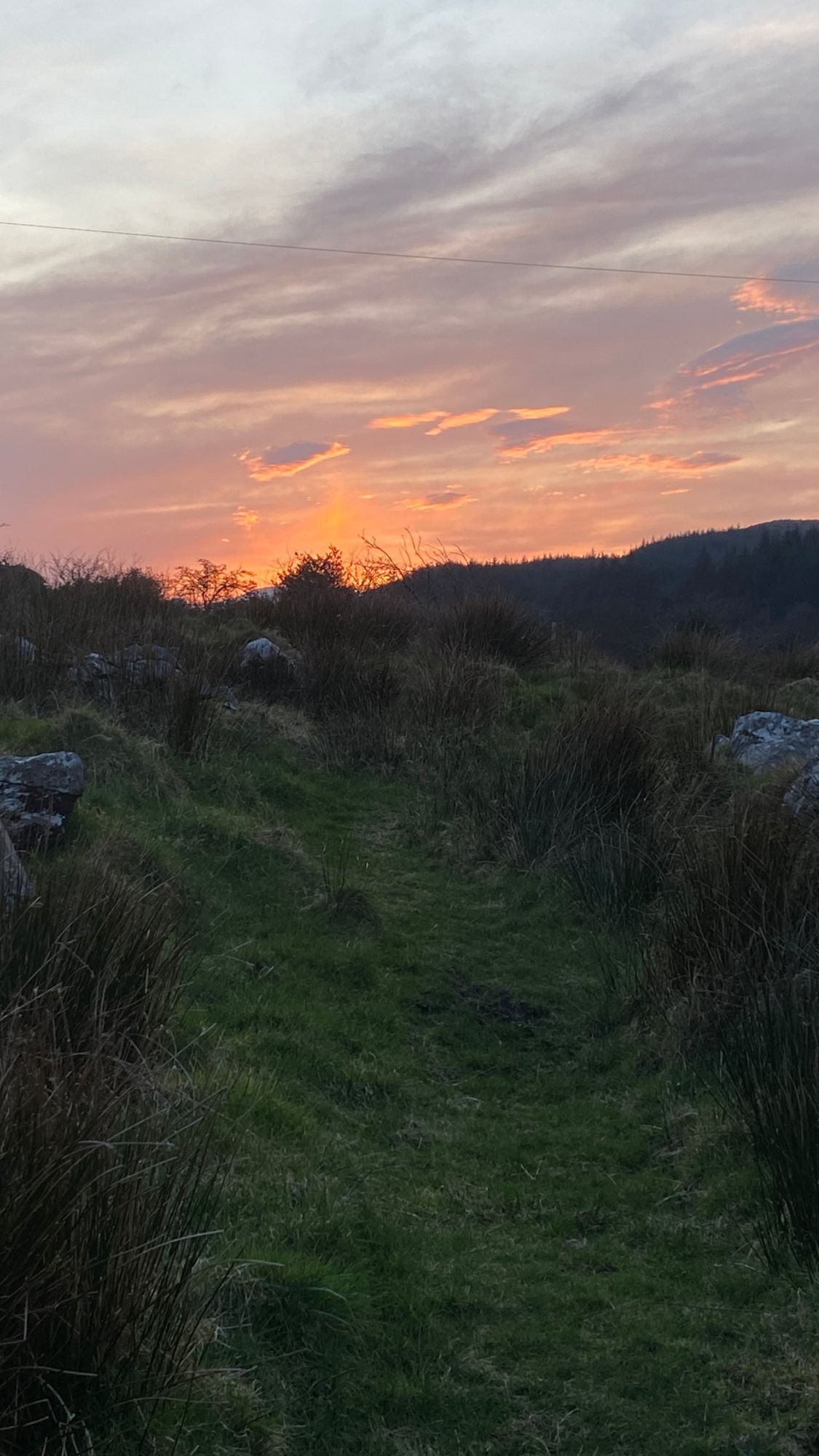
A walker heading through young birch on the land at dusk

01

The Sustainability Walk

An unhurried walk across Fiáin's grounds: the vegetable garden, polytunnel, young orchard, the wildlife pond, the hives, the hen run, and out into the wet heath and bog where sundews and marsh orchids grow.

You'll see how a household feeds itself, why we leave so much of the land wild, and how native planting is restoring an Atlantic hillside. One group on the land at a time, never more than ten people: a limit we set to protect the bog and heath.

Duration
2–2.5 hours
Price
€35 per person
Group
Maximum 10

Along the way

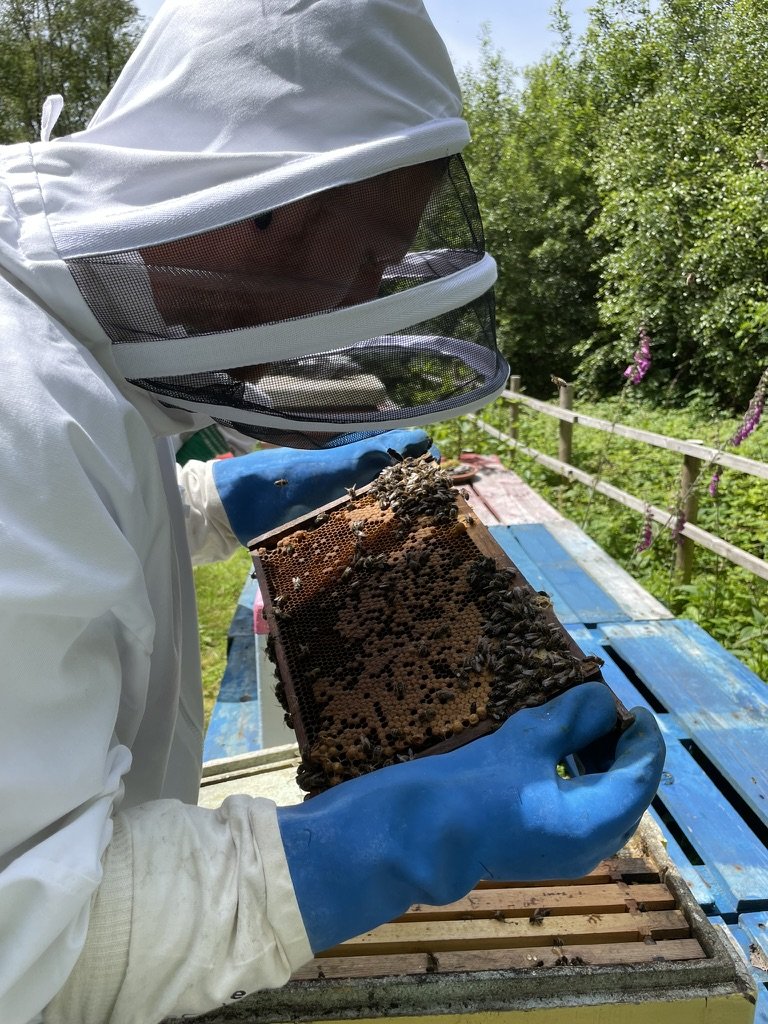
Beekeeper holding a brood frame covered in bees

The Bees

Observe a working hive and see how pollinators shape the whole landscape.

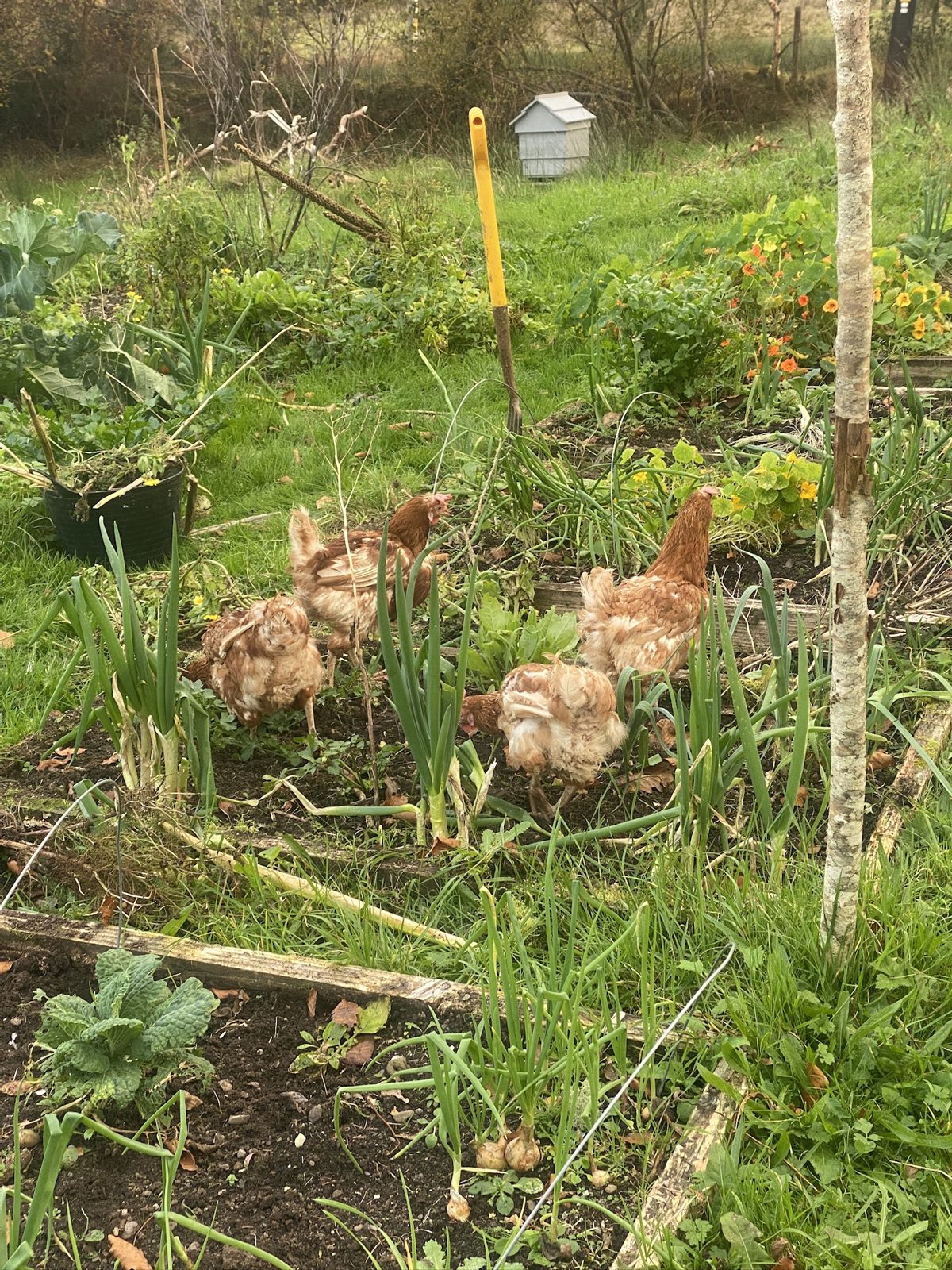
Rescue hens foraging among the vegetable beds

The Hens

Rescue hens with a second life in the vegetable beds, laying every day.

Nigella in flower in the garden

The Gardens

Food beds, flowers for the wild and honey bees, a micro tree nursery and native mixed planting.

02

The Sneem Geo Walk

An easy hour through the village with geologist Ravit, reading deep time in the rocks that make this beautiful landscape: ancient sediments, Variscan mountain-building that created Pangea and the marks of the Ice Age beneath the Dunkerron Mountains. Children and dogs on leads welcome.

Duration
1 hour
Price
€15
Jun–Aug
Tue · Thu · Sat 11:30

April, May, September to mid-October: Saturdays 11:30. Winter: private walks on request. Meets at the Kerry Geopark board, North Square.

Full walk details

Lenticular clouds over the hills and forestry near Sneem

03

Workshops on the land

Half and full days of hands-on skills, from €95 per person, with materials. Run in the shoulder months as well as summer.

Beekeeping

From the apiary, with Conor, chair of Sneem Beekeepers.

Permaculture

With Ravit, in the gardens that feed us.

Rewilding

Native planting and habitat management.

Foraging

Autumn hedgerow and woodland.

Propagation

Raising native trees and plants.

Grow your own

Courses for local households.

Private walks for families and groups, curriculum-linked walks for higher education, or both walks combined into one day.

Plan a group day
Moss-covered branches over a grassy slope
A mown path through long grass towards woodland

What lives here

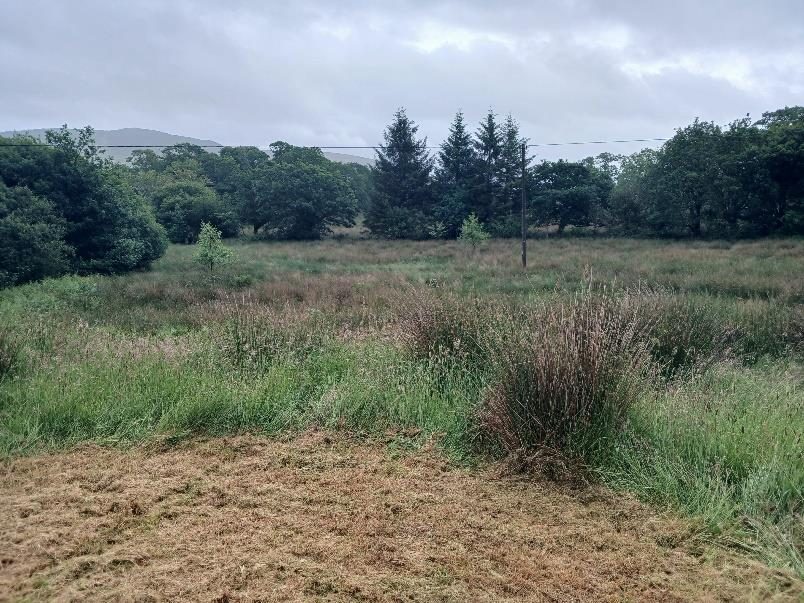
The place of the lowing cows, returning to the wild.

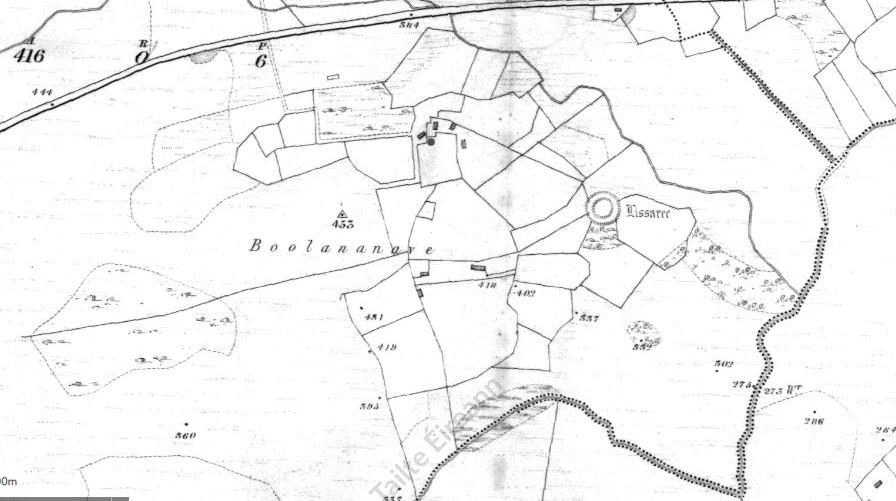
We sit at the southern foot of Knocknagullion, the Hill of the Hollies, in the townland of Boolananave: the place of the lowing cows. Its walls, earth banks and hedges appear on the first Ordnance Survey maps of the 1830s.

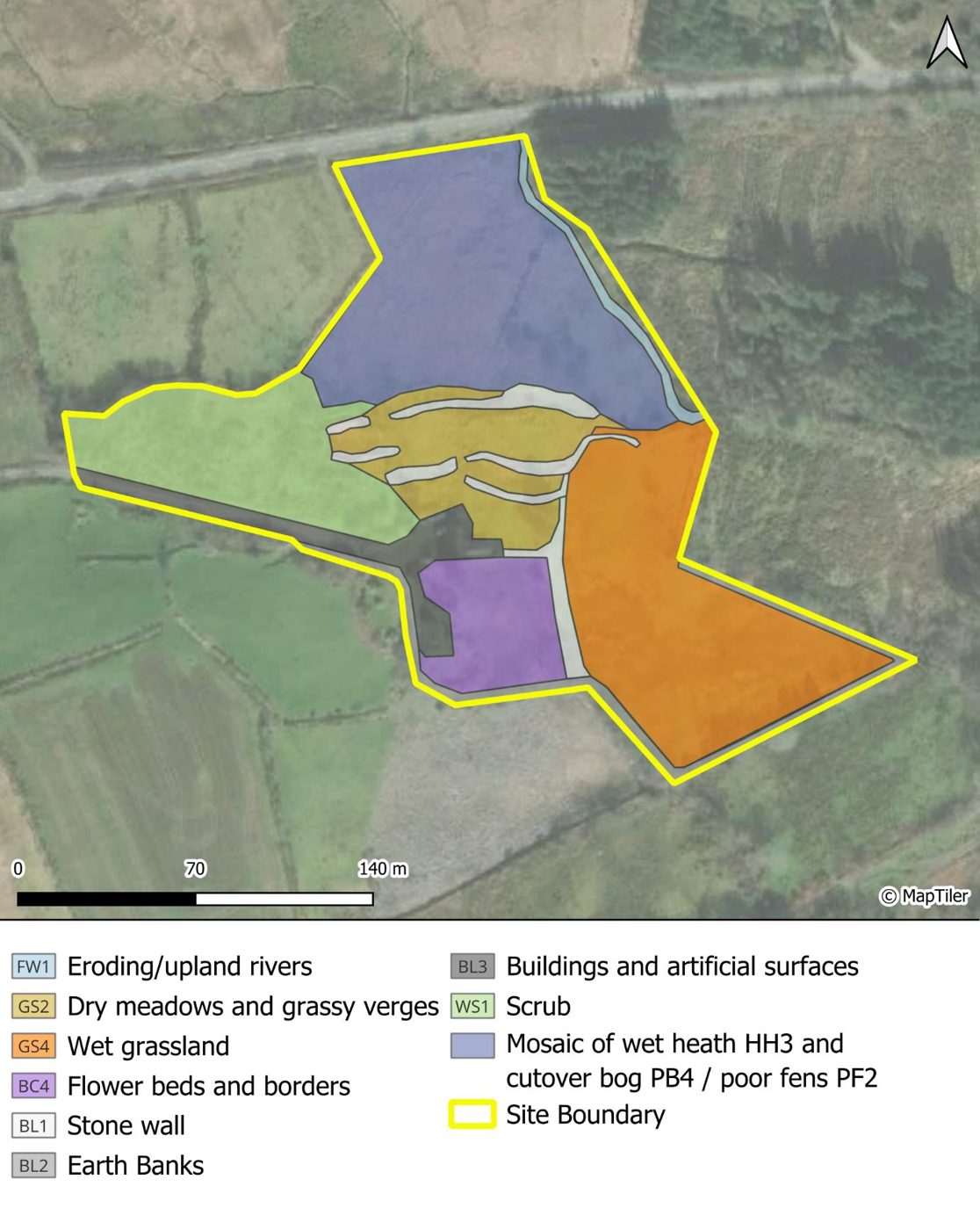
Today the land sits between Killarney National Park and the Kenmare River, a corridor for wildlife moving between protected sites. A 2026 baseline survey by ecologist Cathy Eastman of Biodiversity Partners mapped ten habitats here.

10

habitats mapped, from upland stream to hedgerow, scrub and wet grassland

456

species recorded in the townland, among them Kerry slug, hen harrier, chough, curlew, pine marten and lesser horseshoe bat

1830s

field boundaries still standing, ecologically and historically significant

1

habitat of potential national importance: a rare mosaic of wet heath, cutover bog and poor fen

Our commitment. The bog and heath are checked every year by an ecologist against the 2026 baseline, and the results are published. If the habitat needs it, we take fewer visitors.

The habitats, and what grows in them

Photographs and species records from the 2026 baseline habitat survey by Cathy Eastman, Biodiversity Partners.

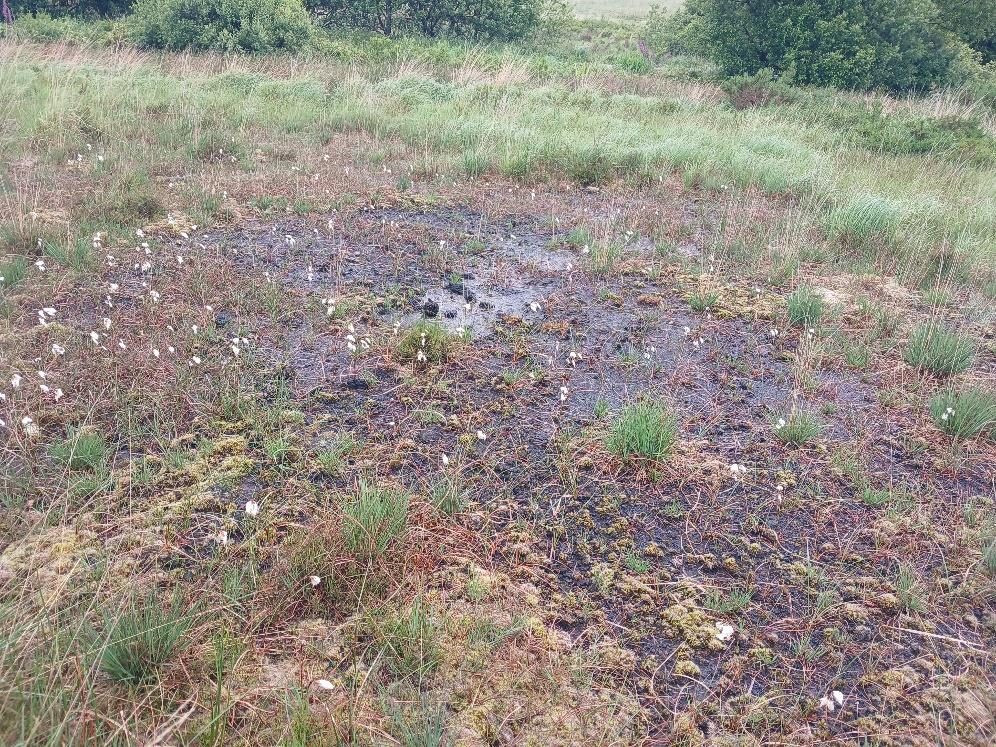
Cutover bog with cottongrass, lichens and round-leaved sundewsPotential national importance

Cutover bog PB4

Round-leaved sundew, common cottongrass, bog asphodel, marsh orchid, matchstick lichen, sphagnum mosses.

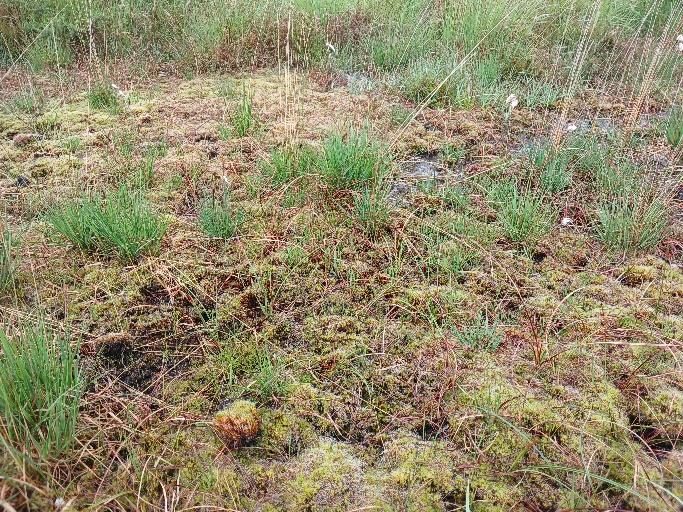
Purple moor grass and heath star-moss in poor fenPotential national importance

Poor fen & wet heath PF2 / HH3

Purple moor grass, heath star-moss, red sphagnum, devil's-bit scabious, tormentil.

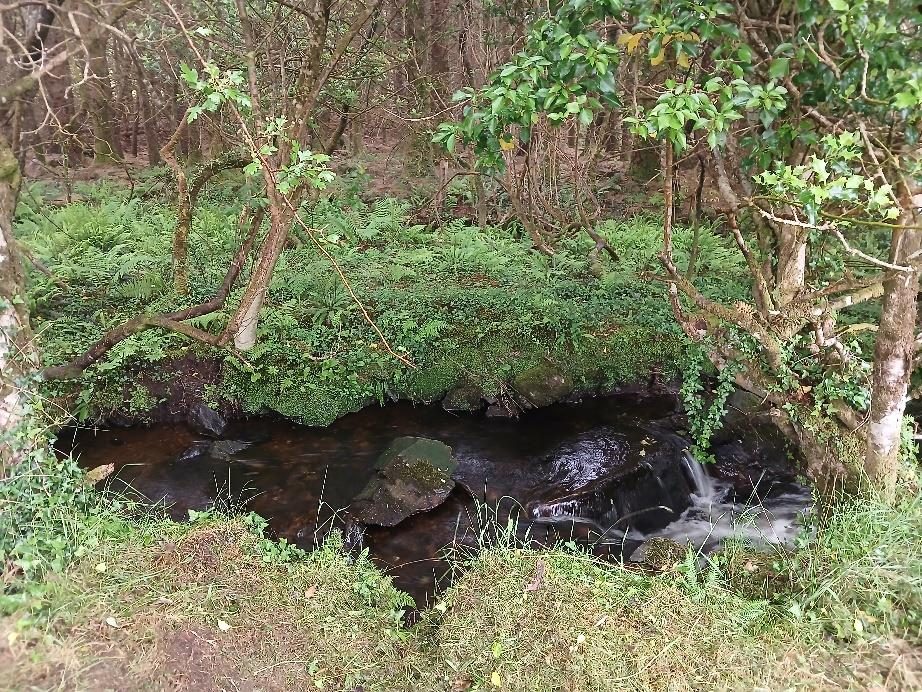
Upland stream with mossy banks and willow

Upland river FW1

Willow, holly, ivy, hart's-tongue fern and many liverworts along the banks.

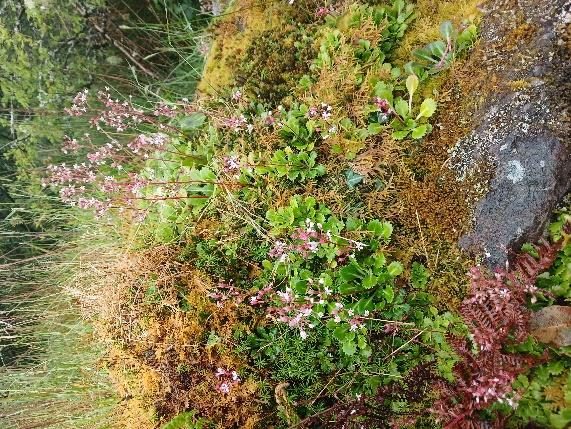
St Patrick's cabbage flowering on a rock outcrop

Rock outcrops BL1

St Patrick's cabbage, navelwort, bilberry, heath bedstraw.

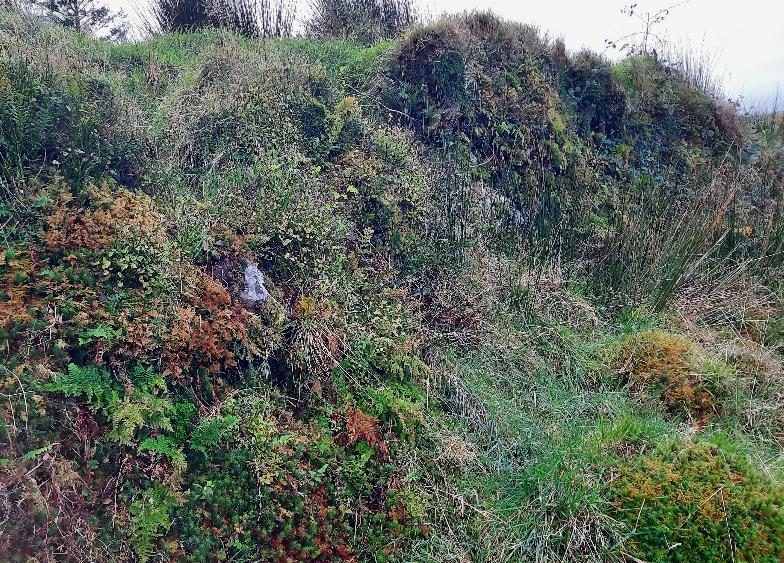
Old stone field wall covered in moss

1830s field walls BL1

Walls mapped in the 1830s, carpeted in mosses and liverworts.

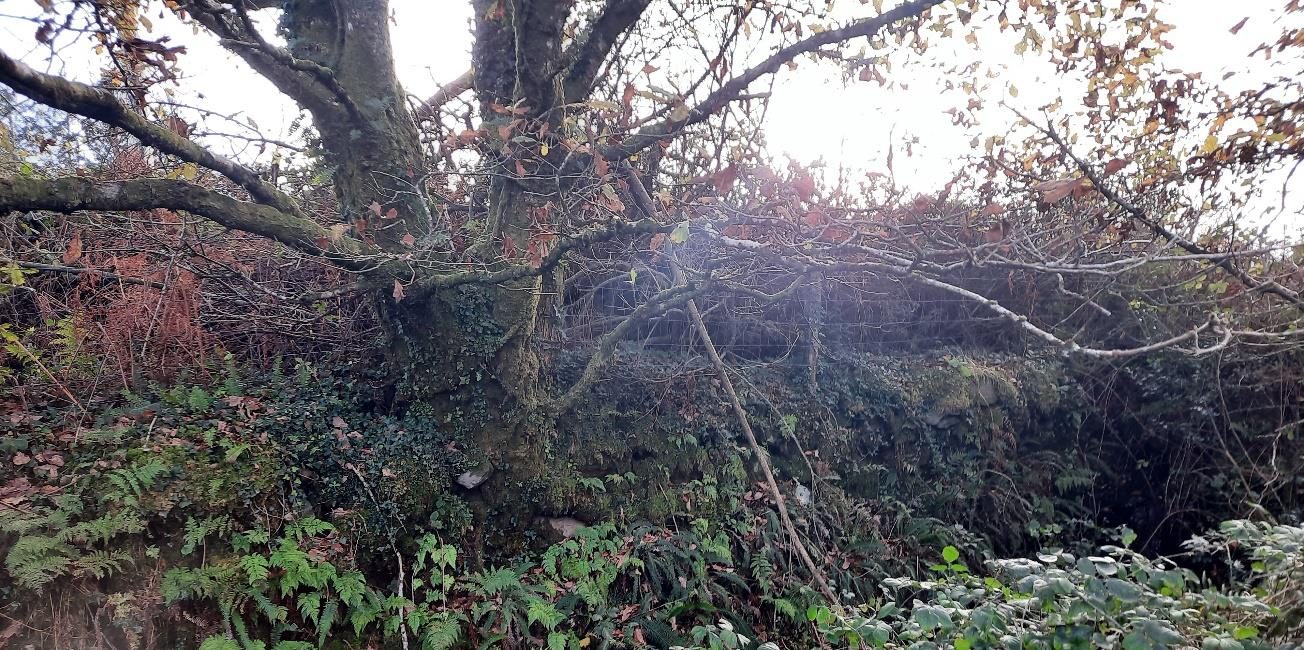
Earth bank with a mature oak growing on top

Earth banks & hedgerows BL2 / WL1

Oak, hawthorn, hazel, rowan, holly; shelter for birds and burrowing animals.

Wet grassland slope with rushes and young trees

Wet grassland GS4

Soft rush, sweet vernal grass, meadow buttercup, marsh bird's-foot trefoil, young birch, alder and oak.

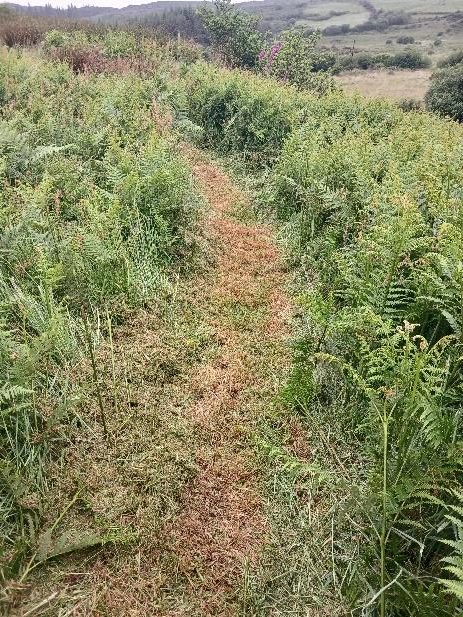
A mown path through dense summer bracken

Dry meadow & bracken GS2 / HD1

Ragged robin, red clover, common and sheep's sorrel, heath bedstraw; summer paths cut through bracken.

Habitat map of Fiáin Cottage showing river, wet grassland, dry meadow, flower beds, scrub and the wet heath, bog and fen mosaic
Habitat map, 2026. The purple area to the north-east is the wet heath, cutover bog and poor fen mosaic.
First edition six-inch Ordnance Survey map of Boolananave, surveyed 1829 to 1834
First edition 6-inch map, surveyed 1829–1834. The field boundaries are much as they are today.

Also recorded in Boolananave: pine marten, red deer, pipistrelle and lesser horseshoe bats, Kerry slug, hen harrier, chough and curlew. Brown long-eared bats have been filmed on the land. Viviparous lizards, common frogs, and ringlet, meadow brown and red admiral butterflies were seen during the survey.

The land through the year

Kerry's temperate rainforest climate means something is always changing.

Spring

Hives wake, planting begins, Saturday geo walks return in April.

Summer

Peak bee season; geo walks three days a week.

Autumn

Harvest and gold light on the birch; geo walks to mid-October.

Winter

Tree-planting months; private walks on request.

For teams

Leadership days on wild land.

Facilitated strategy days and retreats for teams of up to 10, on private, unmanicured land. Designed and led by Ravit, a strategic consultant with 25 years in strategy, service design and change management.

Mornings outdoors to burn off the adrenaline, then focused working sessions in our workshop space with views over the land.

Request a proposal

Sustainability and Circularity track

Learn sustainability and circularity principles by immersing in how nature and humans interact here on the land. Gain the inspiration on how to apply this to your business.

Nature immersion track

Solo sit spots, slow time on the land and low-key circle debriefs. No forced vulnerability.

Built around your agenda

Use the time on the land and Ravit's facilation expertise to address any offsite topic. Change and AI-driven transformation, intergenerational teams, or the sustainable leadership pivot.

Day sessions or two nights

Single days for up to 10, or two-night programmes with partner accommodation, on one all-inclusive price. [CONFIRM PARTNERS]

Audit our sustainability

Fibre broadband, not satellite. Our habitat survey and monitoring results are published.

Private, wild land

No public access and no passing visitors: only your team on the land.

Plan your visit

Getting here

On the R568 Moll's Gap road, 6 km from Sneem: 7 minutes from Sneem, 29 from Kenmare, 55 from Killarney. Parking on site; cars and minibuses only. Directions sent on booking. Geo Walks meet at the Geopark board, North Square, Sneem.

Bring

Waterproofs and sturdy boots. Bee suits are provided.

Weather

We go out in most weather; a bog in the rain is more alive, not less. Boots and waterproofs available. A weather warning means a full refund.

Season

Habitat walks April to October. Workshops into March and November. Private visits year-round. Book in advance: we don't take walk-ins.

From the journal

All stories

Come and walk the land.

Tell us when you're in Kerry and which walk you'd like. We'll come back to you with dates.